Table Of Content
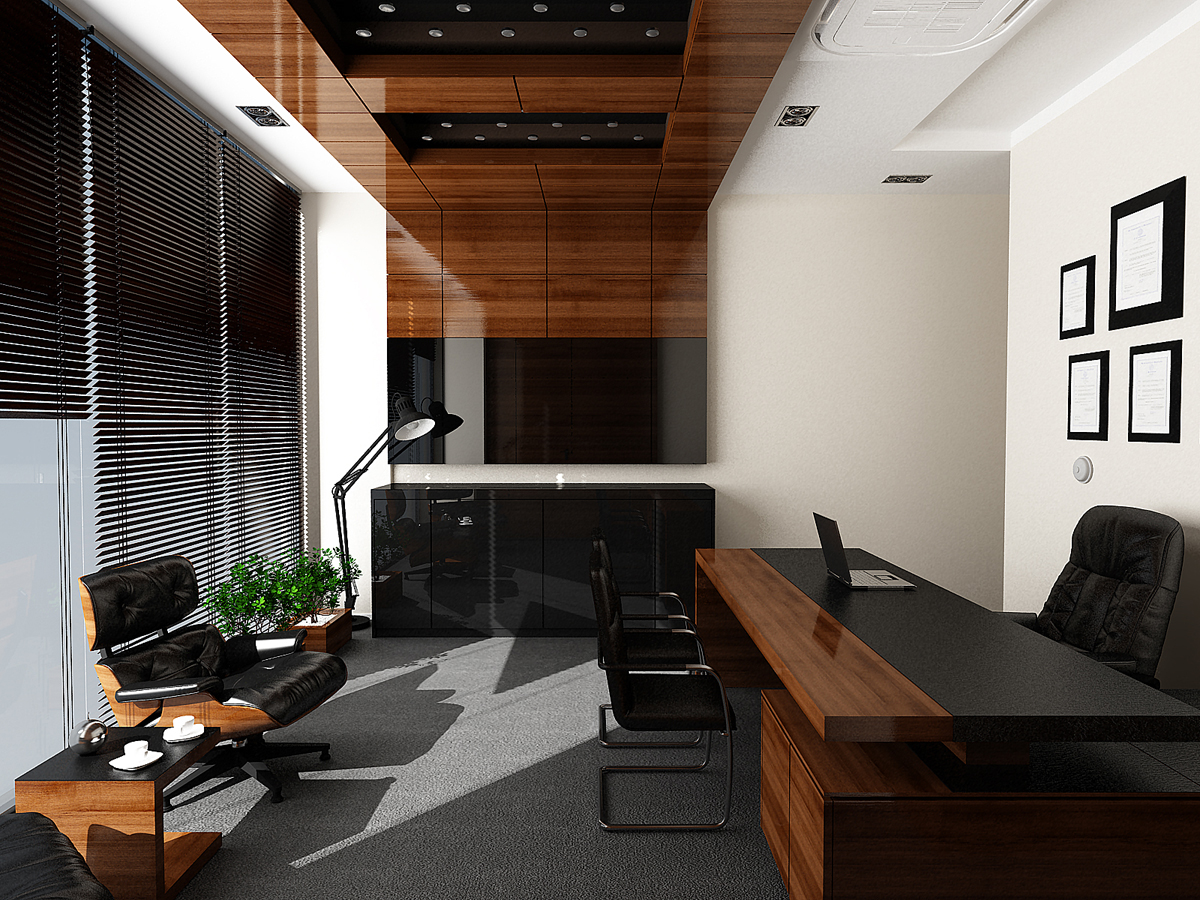
The most challenging aspect of this industry is educating clients [about] not only the design process, but also why every designer has a different fee method, process of procurement, etc. It's confusing for the consumer to understand why pricing is so random and why everyone seems to have such varied business plans. It's a hurdle that certainly can be overcome, but it makes our industry look a bit unorganized. Around 27% work for specialized design services, while another 20% work for architectural or engineering organizations. Finally, 22% start their own firm and work as self-employed designers. Interior design shapes how people experience all sorts of spaces; for example, homes, businesses, and hospitals.
Applying For Certification/IDEX® California Exam
Prospective designers wondering how to become an interior designer should start with this step-by-step guide. From earning a degree to gaining work experience to taking an interior design exam, each step moves candidates closer to becoming an interior designer. Interior designers work in design firms, architectural offices, and their own firms. Some interior designers also work in wholesale trade or furniture stores.
Space planning for interior designers: a step-by-step guide
Issues of graphic communication, project analysis, programming, space planning, design and selection of interior components are presented in a logical sequence. Instruction emphasizes the three-dimensional possibilities of sculpting interior space, from conceptual ideas. The courses include lectures, demonstrations, and critiques of works-in-progress. Professional designers and educators from outside the department visit regularly to lecture and review student projects.
Interior Design Professional Program, BFA
Unlike interior decorating, which focuses exclusively on furnishings, interior designers consider a whole space, and they integrate architectural features into their designs. And unlike architects, who design the structure of buildings, interior designers focus on a space's look and feel. An internship in interior design can provide you with practical experience in a variety of job functions. Students are required to have completed at least 50% of the curriculum before eligible to enroll in the internship course. Candidates who meet both the Education and/or work experience requirements at the time of application, will be eligible to complete the certification process upon successful completion of the IDEX® California Exam. Beyond the skills you need on the job, you’ll also master the business side of things so you can learn how to become a success.

Working at an internship while still in school is imperative for gaining real-life practical experience, and helps position you for success post-graduation. “For those still in college and trying to figure out what kind of career they want to pursue, I would 100% recommend looking for internships at design firms. Internships allow you to not only get experience and build your resume, but also to figure out if this is where you can see yourself in the future,” Ames Noble says. So often, in many disciplines, there is much practical knowledge that is not taught in schools. I think this is a big problem that interior design curriculums need to pay attention to. Here in Santa Fe, I have an assistant designer who graduated in architecture and is well versed not only in CAD, but also in finishes and space planning, which helps tremendously with our construction projects.
Ready to Get Started?
Encompassing much more than just decoration, the field of interior design demands specialized knowledge in a wide variety of areas ranging from building code to human behavior. Part artist, part project manager, and part psychologist, an interior designer is tasked with not only creating beautiful spaces, but ones that meet the mental, emotional, and physical needs of their clients in a safe and functional way. AD PRO also offers a supremely valuable resource with its AD PRO Directory, which connects clients with interior designers, architects, and landscape designers that have been fully vetted and fulfill the stringent standards of AD. As long as an interior designer has some work to show in their portfolio—commissioned or not—they can apply and be considered for inclusion in the AD PRO Directory.
This professional recognition also requires registrants to pass the NCIDQ exam and meet minimum qualifications for education and experience. (Licensed architects, however, may apply for the title without taking the national exam.) Illinois also allows for a straightforward “Endorsement of License” for interior designers with a license issued in another state with equivalent requirements. In Texas, becoming a registered interior designer is voluntary and allows for signing off on permitting in code-impacted environments. This goes for the other states that do not allow for permitting as well. One CEU is defined as 10 contact hours (one contact hour equals one clock hour) of participation in an organized, relevant continued education experience, which can include seminars, conferences, events, in-person programs, and classes. Detailed information on its CIDA’s website offers lists of schools and programs that meet quality standards of the interior design profession.
What type of person is successful in an interior design career? What type of person may not be the best fit?
During an interior design program, students add projects and assignments to their portfolio. Most interior designers need to take an exam to qualify for a state license and earn certification as an interior designer. The NCIDQ exam tests candidates on design development, bidding, and project completion. In some states, only candidates who pass the NCIDQ exam can use the title Interior Designer. Before working as an interior designer, candidates must build their professional experience.
The best laptop for interior design - Creative Bloq
The best laptop for interior design.
Posted: Fri, 16 Feb 2024 08:00:00 GMT [source]
Can You Be a Self-Taught Interior Designer?
The BFA Degree from CSULB meets the NCIDQ exam eligibility requirements for the necessary four to five years of accredited education. Once the student or graduate gains two years of work experience they qualify to take the exam to become a Certified Interior Designer. More than 95 percent of those who complete the Program are actively at work in the profession. Because there are no federal standards, pursuing multiple licenses is not always as simple as it might sound, as Kent Brasloff, of Ask Kent and Co., a business consultancy for design professionals, recently found out. When one of his clients took on commercial projects in Florida, Brasloff knew she would need the mandatory licensure.
Beyond a bachelor’s degree program, you can also take things a step further and earn a master’s or doctorate in interior design. Candidates for a master’s degree most often have worked in the industry for a couple of years and have identified an area of interior design that suits their skills the best, or that they are most interested in. A master’s interior design program helps them improve their knowledge on that topic and positions them for a higher role within their company, or to start their own interior design firm.
To become a Certified Interior Designer (CID), candidates must have a minimum of six years combined accredited interior design education and experience (or) a minimum of 8 years combined interior design education and experience. If the traditional learning path isn’t for you, many renowned interior design schools also offer online learning opportunities. An online interior design school will be the perfect option for anyone who wants to continue their education while working. You’ll learn everything from the theory and history of interior design to how to draw sketches, build 3D models and use computer-aided design (CAD) software.
The most common entry-level position is that of the Junior Designer. Junior Designers typically work with a design team to complete projects for clients. Interior design is a broad field that encompasses a wide range of specialties. Pursuing a specialization requires additional education and training beyond a Bachelor's Degree in Interior Design. It is important to research your desired specialization area and choose an education program that aligns with your career goals. At a minimum, you'll need to have completed 1 of the 5 approved education options.


No comments:
Post a Comment